
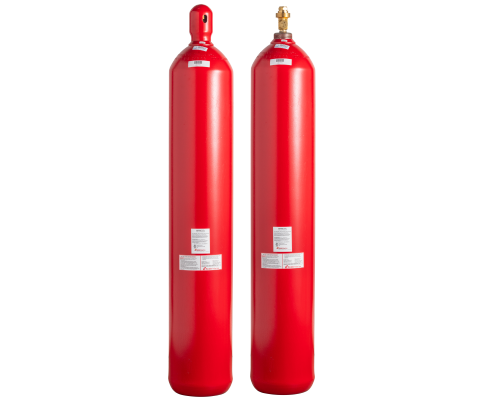
High-Pressure CO₂ – Marine
Marine-Approved CO₂ Suppression for Machinery Spaces and Enclosed Vessel Hazards
The Kidde Fire Systems High-Pressure (HP) CO₂ Fire Suppression System for marine applications is engineered to provide rapid, reliable fire protection for machinery spaces and enclosed hazards onboard vessels.
Designed specifically for marine environments, the HP CO₂ system delivers carbon dioxide through a fixed piping network and engineered nozzles to quickly suppress fire by cooling and oxygen displacement. When activated, the system discharges within seconds, helping protect crew, passengers, and critical vessel systems from catastrophic fire events.
With a long history of protecting ships at sea, KiddeFenwal continues to provide marine-approved CO₂ suppression solutions trusted worldwide.
Key Advantages
- Proven Marine Fire Protection Standard
Carbon dioxide has long been an effective and widely accepted suppression method for vessel protection. - Rapid Fire Suppression
CO₂ discharges within seconds to suppress fire through oxygen displacement and heat absorption. - Electrically Non-Conductive
Safe for use in machinery spaces and electrical areas without risk of equipment damage from conductive agents.
- Economical Installation and Recharge
CO₂ systems are cost-effective to install and service. - High- or Low-Pressure Design Options
Marine CO₂ systems are available in high-pressure or low-pressure configurations to meet vessel protection requirements.
Applications
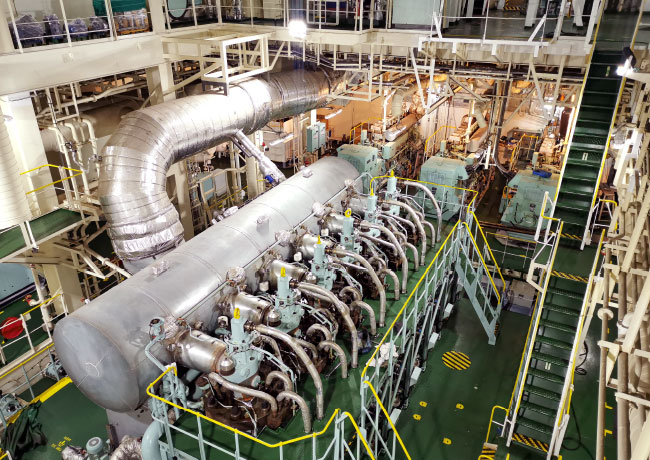
The High-Pressure CO₂ – Marine system is designed to protect critical onboard spaces, including:
- Engine rooms
- Machinery rooms
- Generator rooms
- Paint lockers
- Switchgear spaces
- Control rooms
- Cargo spaces
- Lube oil rooms
- Thruster rooms
These areas present elevated fire risks due to fuel systems, flammable liquids, and enclosed operating environments.
System Architecture
Suppression Method
Carbon dioxide suppresses fire by:
- Rapidly cooling the fire
- Displacing oxygen to a level that will not support combustion
Because CO₂ is heavier than air, it forms a dense blanket within enclosed spaces during discharge, enabling effective suppression.
Engineered Marine Design
- Fixed piping distribution system
- Marine-rated discharge components
- Engineered nozzle placement for enclosed vessel hazards
- Designed for integration with marine detection and control systems
The system is engineered to support vessel-specific layouts and space constraints.
Detection & Control Integration
- Integrated with marine-approved detection and control equipment
- Automatic system activation upon detection
- Supports coordinated detection-to-suppression response
- Designed for continuous onboard protection
Installation & Vessel Integration
- Engineered specifically for marine applications
- Designed to meet vessel classification and regulatory requirements
- Configurable for centralized or distributed cylinder storage
- Supports both new vessel construction and retrofit applications
Technical Specifications
| PARAMETER | SPECIFICATION |
|---|---|
| System Type | High-Pressure Carbon Dioxide Fire Suppression – Marine |
| Suppression Method | Oxygen displacement and heat absorption |
| Discharge | Rapid release in seconds |
| Design | Fixed piping and engineered nozzle network |
| Typical Use | Machinery spaces and enclosed vessel hazards |
| Integration | High- or Low-Pressure systems available |
Approvals & Marine Compliance
- UL Listed
- ABS Type Approval
- DNV-GL Type Approval
- Designed to meet applicable marine regulatory and classification requirements
Trusted Protection at Sea.
The High-Pressure CO₂ – Marine system delivers dependable, marine-approved fire suppression for vessels operating worldwide, protecting crew, passengers, and mission-critical equipment in the most demanding environments.
